
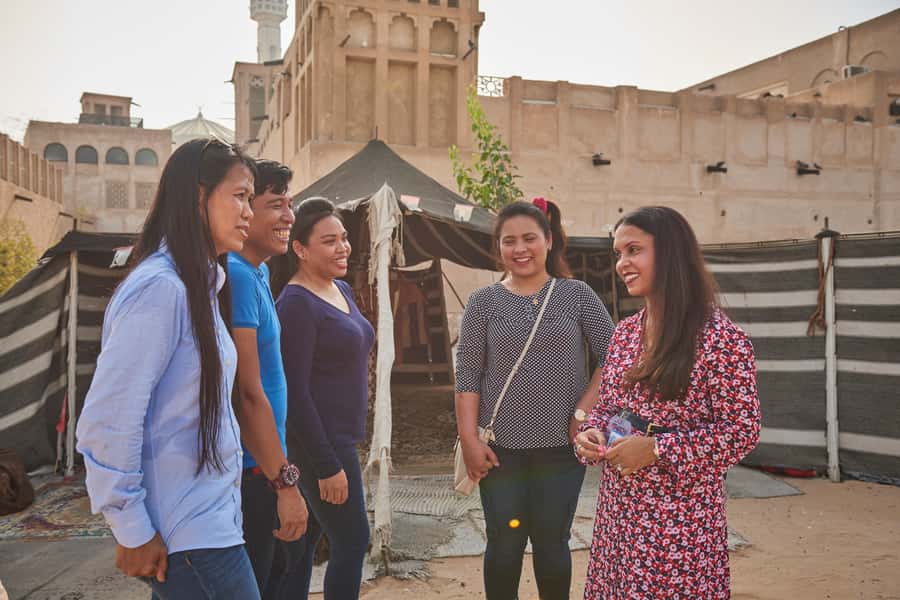
Reviewed · MUSEUM & CULTURE TOURS
Historic Forts, Boats and Pearls of Old Dubai Walking Tour
Dubai’s modern towers get the attention, but Old Dubai tells the more useful story. This two-hour walk takes you through Al Bastakiya, past heritage houses and Al Fahidi Fort, into the textile, spice, and gold souks, then across Dubai Creek by traditional abra. It is a quick way to see the city before oil wealth and skyscrapers changed its scale.
I like the small-group feel and human stories, especially the explanation of pearl trading, local etiquette, food, and daily life. I also like that the coffee, dates, chocolates, and dried-fruit tastings give the walk a pleasant taste of the region instead of leaving you with only facts and photographs.
The main drawback is the pace. Two hours is enough for an introduction, but not enough for a slow look at every market, museum, or historic building. The walking route is also not suitable for wheelchair users, and you will want comfortable shoes and modest, comfortable clothing.
In This Review
- Key points to know before you book
- Why Old Dubai is the right place to begin
- Meeting outside Arabian Tea House
- Al Bastakiya and the old residential quarter
- Al Fahidi Fort and Dubai’s early story
- Crossing Dubai Creek by abra
- The textile, spice, and gold souks
- What the guide adds to the two-hour format
- Is $54 a fair price for two hours?
- Who will enjoy this walk most?
- My call: book it for the story, not the shopping
- FAQ
- Where does the Old Dubai walking tour meet?
- How long does the tour last?
- What language is the tour conducted in?
- Does the tour include an abra ride?
- Which souks are included?
- Are museum tickets included?
- Are food and drink tastings included?
- Is hotel pickup included?
- Is the tour suitable for wheelchair users?
- What should I wear and bring?
Key points to know before you book
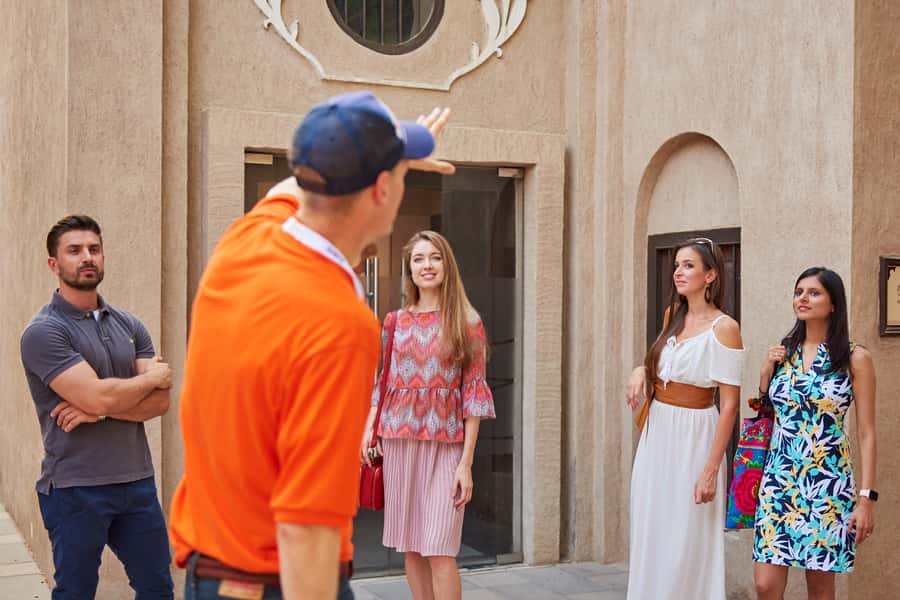
- Al Bastakiya comes first: Walk among old residential buildings and wind towers in one of Dubai’s key heritage districts.
- The abra ride adds real character: Cross Dubai Creek in a traditional wooden boat, a short trip that connects the old neighborhoods on both sides.
- Three major souks are included: Expect stops in the textile, spice, and gold markets, with additional attention to perfume and local food.
- The guide shapes the experience: English-speaking guides such as Pri, Dana, and Sameh have led engaging walks filled with history, customs, and regional stories.
- Tastings are part of the price: Coffee and dates are included, along with chocolates and dried fruits in the Spice Souk.
- It is best as a first-day orientation: At $54 per person, the tour makes sense if you want context before exploring Old Dubai on your own.
Why Old Dubai is the right place to begin
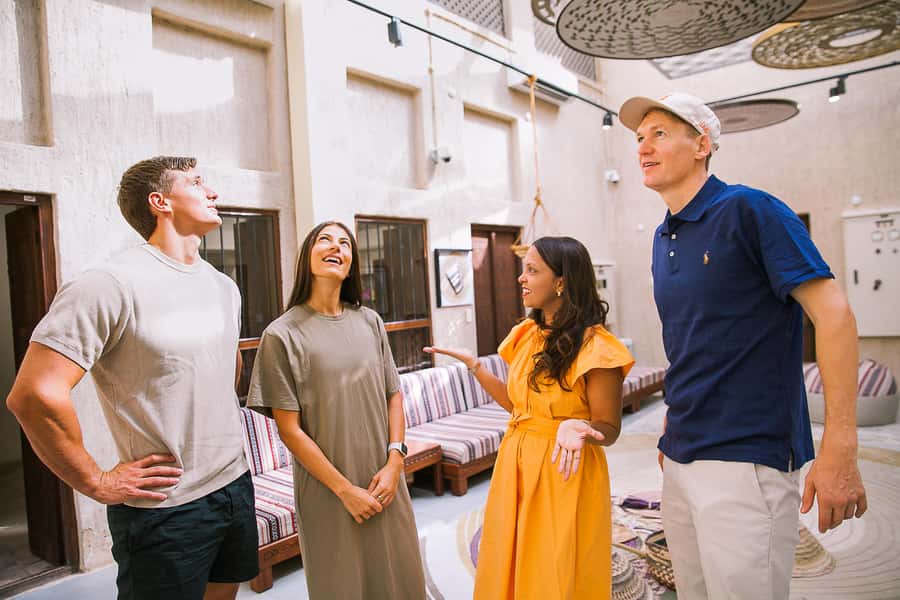
Dubai can feel like a city designed for the future. Its malls, hotels, towers, and highways are polished and efficient, but they do not explain how a small Gulf trading settlement became a global business center.
This walk begins with the older story. You see the district where merchants lived, traded, and built homes before Dubai’s great transformation. The guide connects buildings and markets to the people who used them, so the city feels less like a collection of sights and more like a place with a working past.
That context matters. A visit to the gold market is more interesting when you understand Dubai’s role in regional trade. The Spice Souk means more when you know spices were valuable cargo moving through Indian Ocean ports. Even the Creek crossing becomes more than a photo stop when you see it as part of the city’s traditional transport network.
The tour is not focused on the famous modern skyline. That is its strength. If your idea of Dubai is Burj Khalifa views and air-conditioned shopping, this walk gives you a different city for two hours.
More museum & culture tours in Dubai:
- Dubai: Museum of the Future Admission Ticket
★ 4.3 · 21,464 reviews - From Dubai: Abu Dhabi Grand Mosque & Louvre Museum Full-Day
★ 4.8 · 6,227 reviews - Dubai Aladdin Tour: Souks, Creek, Old Dubai and Tastings
★ 5.0 · 3,755 reviews
Meeting outside Arabian Tea House
You meet your guide outside Arabian Tea House in Bastakiya, on Al Fahidi Street, opposite the Musalla Post Office in Bur Dubai. This is a practical starting point because you begin inside the historic district instead of spending part of the tour reaching it.
Look for the meeting point carefully. Bastakiya and Al Fahidi contain lanes, courtyards, museums, cafés, and heritage buildings, so it helps to arrive with enough time to find Arabian Tea House without rushing. The tour does not include hotel pickup or drop-off.
The walk is conducted in English. The guide is described as a certified premium guide with more than 1,200 hours of experience and top ratings, though the exact guide depends on the date. Guides named Pri, Dana, and Sameh have led tours of this kind, with Dana especially noted for handling a late start calmly and keeping the group together.
That detail is useful because a walking tour lives or dies by the guide. Here, you should expect more than a list of dates. The strongest guide style on this route is conversational, with room for questions about customs, food, politics, demographics, and the wider Gulf region.
Al Bastakiya and the old residential quarter
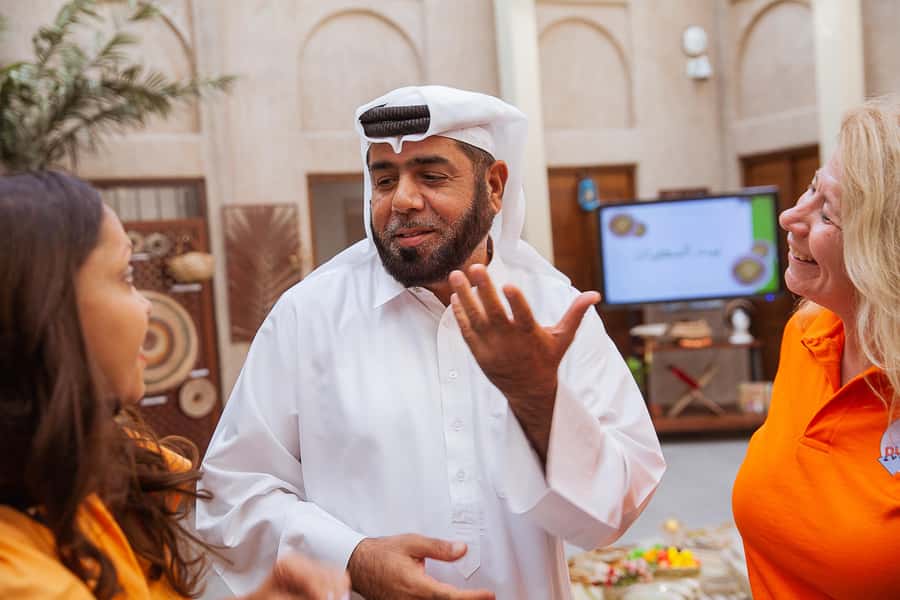
The first major section takes you through Al Bastakiya, also called the Al Fahidi Historical Neighborhood. It is one of the oldest parts of Dubai and one of the clearest places to see how people lived before the city grew upward and outward.
The area is known for heritage houses, narrow lanes, courtyards, and wind towers. These structures give you a sense of traditional Gulf design and offer a sharp contrast with Dubai’s glass towers. Your guide explains the role of the neighborhood and helps you read details that you might otherwise pass without noticing.
This is where the tour’s storytelling has the most value. You hear about early life in a desert trading town, the movement of goods, and the importance of family and commerce. The discussion also reaches beyond architecture into Arabic culture and local etiquette, which helps you behave more comfortably in markets and religiously important spaces.
You may visit museums during the route, and museum tickets are included. The supplied details do not specify every museum visited on every departure, so do not book this expecting a fixed museum itinerary with a long indoor stop. Think of the museum access as an added benefit within a walking tour.
The district is photogenic, but it is not a theme park. Some buildings are restored heritage spaces, and the interest comes from the overall setting, the guide’s explanation, and the connection between homes, trade, and community life.
Al Fahidi Fort and Dubai’s early story
Al Fahidi Fort is one of the key historic stops. The fort helps anchor the story in a physical place, giving you a clearer sense of Dubai before it became an international city.
The walk uses the fort and nearby heritage sites to explain the city’s timeline. You learn how Dubai developed around trade, the Creek, and maritime activity. The story includes pearl trading, once a major part of the local economy, before petroleum wealth and global investment altered Dubai’s fortunes.
Pearl trading is an especially useful subject because it corrects the easy assumption that Dubai began with oil. The city had commercial links, seafaring skills, and regional connections long before its current skyline appeared. You also get a look at the human side of that work, including the importance of the sea and the risks faced by people who depended on it.
The tour does not promise a long, specialist visit to every fort room or museum display. If you want an exhaustive study of military architecture, this is not the right format. If you want a clear introduction that gives the fort a place in Dubai’s story, it works well.
A few more Dubai trips to weigh up
- Dubai Evening Heritage Safari by Vintage G Class Al Marmoom Oasis
★ 5.0 · 1,500 reviews - Dubai Camel Desert Safari, Traditional Meal & Heritage Activities
★ 5.0 · 937 reviews - Dubai: Heritage Safari in Vintage Land Rover with Dinner
★ 4.8 · 861 reviews - Dubai: Historic City Highlights Day Trip
★ 4.4 · 807 reviews
Crossing Dubai Creek by abra
The traditional abra ride is the most memorable change of pace on the route. After walking through the heritage quarter and markets, you board a wooden boat and cross Dubai Creek.
The ride is short, but its value is out of proportion to its length. You see Dubai from the water, as early traders and residents would have experienced the city, rather than from a highway or shopping center. The Creek also explains why the two sides of Old Dubai developed as trading districts.
You get views of the waterfront and a brief break from walking. It is a simple local transport experience, not a luxury cruise, which is exactly the point. The wooden boat feels connected to the older city and gives the tour a physical link between history and present-day life.
Be ready for the boat crossing to depend on normal operating conditions and the timing of the walking route. The information provided confirms the abra ride, but it does not give a private boat arrangement or a long cruise. Think of it as a practical crossing with excellent atmosphere and photo opportunities.
The textile, spice, and gold souks
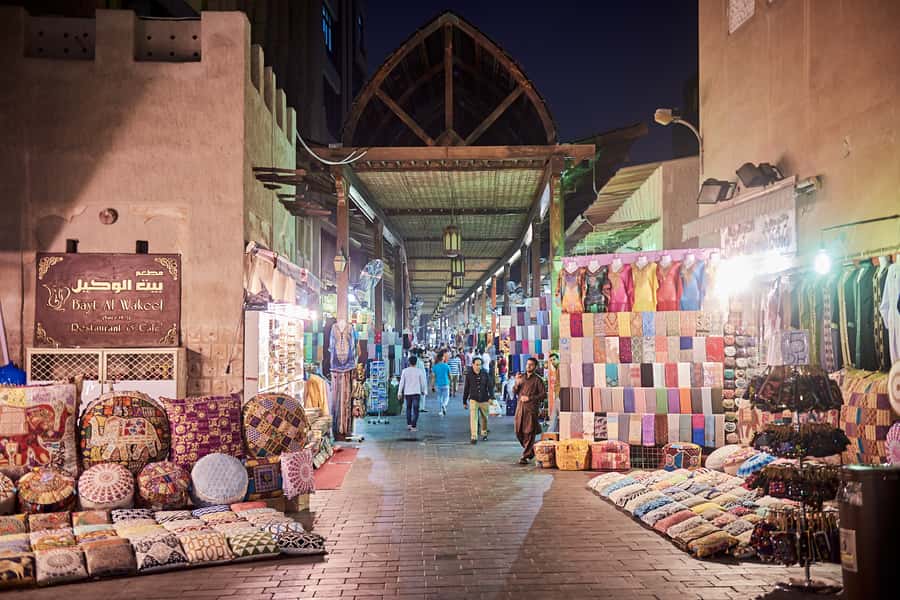
The souks form the busiest part of the walk. You move through the textile, spice, and gold markets, with time to look, ask questions, and understand how each market fits into Dubai’s trading identity.
The Textile Souk is a good place to notice the color and variety of fabrics. The guide can help explain the market rather than leaving you to navigate a maze of sales pitches on your own. You may still receive plenty of invitations to browse, so keep your pace and budget in mind.
The Spice Souk works on several levels. You see sacks and displays of spices, but you also get a stronger sensory experience through the included tasting of chocolates and dried fruits. Coffee and dates are also included, adding a small but welcome introduction to local hospitality and food customs.
The Gold Souk shows another side of Dubai’s commercial reputation. Even if you have no intention of buying jewelry, the market is worth seeing for its scale, display style, and role in the city’s trade. Your guide can also help explain etiquette and how to move through the market without feeling pressured.
Perfume is part of the route as well. The tour description promises time through the perfume, spice, and gold souks, while the highlights specifically name the textile and spice markets. The exact time at each market can vary, so the experience is best understood as a guided introduction rather than a shopping expedition.
One practical point: souvenirs are mentioned as part of the experience, but the details do not say that a specific retail item is guaranteed. Bring money only if you want to shop, and do not feel obliged to buy.
What the guide adds to the two-hour format
The guide is the main reason to choose this tour instead of walking Old Dubai alone. You can find the souks and heritage district without help, but it is harder to understand what you are seeing while keeping track of the city’s timeline.
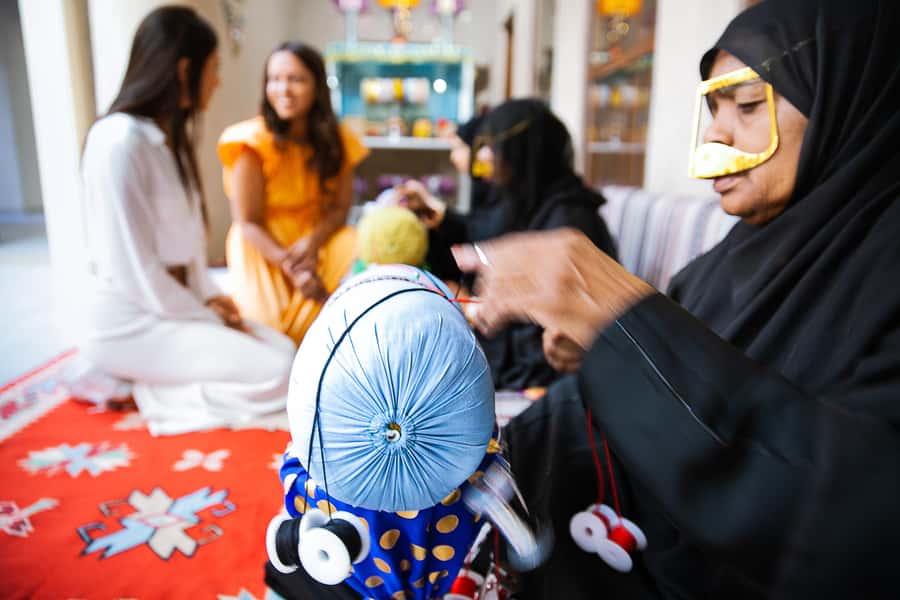
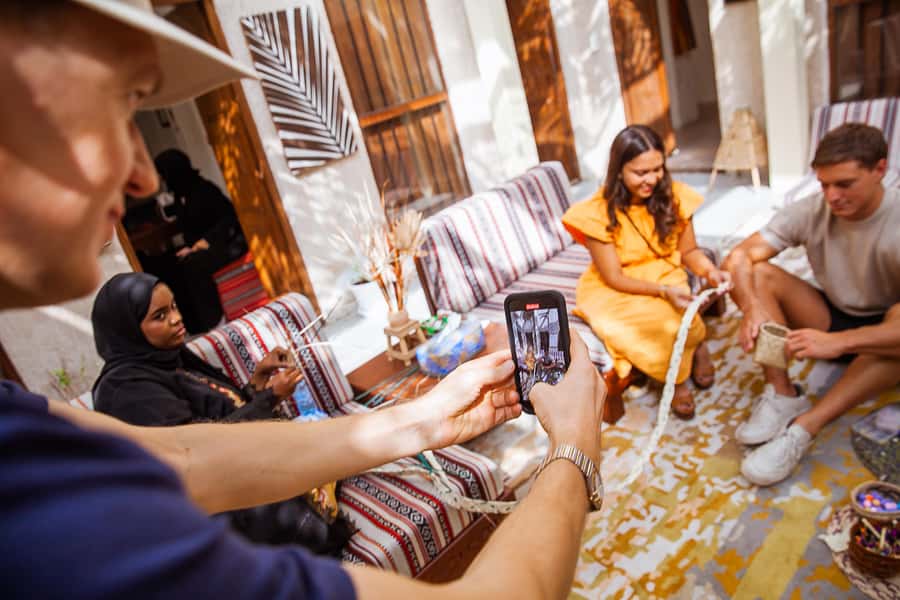
The best parts of the guiding style are the links between small details. A wind tower becomes part of a discussion about traditional homes. A market becomes part of a story about trade. A coffee and date tasting becomes an opening to talk about hospitality and manners.
Past tour guides have included Pri, Dana, and Sameh. Pri was described as patient and pleasant, while Dana was praised for her positive attitude, historical detail, Arabic cultural knowledge, and warm connections with people working in the markets. Sameh was also singled out for leading a strong Old Dubai walk.
Do not treat those names as a promise that one particular person will lead your departure. Use them as a clue about the kind of guide the operator has placed on this route. The experience works best when you ask questions, especially about food, religion, pearl trading, local customs, and the difference between Old Dubai and the modern city.
Is $54 a fair price for two hours?
At $54 per person, this is not the cheapest way to walk around Old Dubai. You can visit parts of the district and markets independently for much less, especially if you already understand the city and are comfortable finding your own way.
The price becomes easier to justify if you value context, tastings, museum admission, and a guide. You receive a structured route through the main heritage district and three major souks, an abra crossing, coffee and dates, chocolates and dried fruits, and included museum tickets.
You are also paying for efficiency. In two hours, the tour links places that could otherwise take longer to organize, especially if you are unfamiliar with the Creek and the market areas. For a first visit, that can be good value because it gives you a map in your head for later independent exploring.
The price makes less sense if you want a relaxed shopping session, long museum visits, or plenty of time for photography. The route covers a lot, and the guide must keep moving to fit the main sites into two hours.
Who will enjoy this walk most?
I would choose this tour for a first visit to Dubai, especially if you want to understand the city beyond its modern architecture. It suits people who like history, food, local customs, markets, and short walks with plenty of explanation.
It is also a good fit for visitors with a short stay. You get an introduction to Old Dubai without giving up an entire day. After the walk, you can decide which market, museum, or heritage café deserves a second visit.
Families with older children may find the abra ride and souks more engaging than a formal museum tour. The tastings add variety, and the guide’s trivia can keep the route lively. The tour is also useful for anyone who wants help understanding market etiquette before browsing alone.
You should think twice if you have limited mobility. The tour is specifically not suitable for wheelchair users, and the route includes walking through historic lanes and market areas. Comfortable shoes are essential, and comfortable clothing is recommended.
Dubai’s heat is another practical consideration, although no seasonal schedule is provided. You will be outdoors for much of the two hours, so select a starting time carefully when availability is shown and carry what you normally need for a city walk.
My call: book it for the story, not the shopping
Book this tour if you want a compact, guided introduction to the city that existed before Dubai’s towers. The Al Bastakiya walk, Creek crossing, pearl-trading story, and souk route give you a solid first look at Dubai’s people, trade, food, and customs.
Skip it if you already know Old Dubai well or want to shop at your own speed. The route is brisk, and two hours cannot offer deep time in every market or museum.
For most first-time visitors, I think the experience earns its place early in a Dubai stay. It helps you see the modern city with better context, and it gives you a practical starting point for returning to the Creek, markets, and heritage quarter on your own.
FAQ
Where does the Old Dubai walking tour meet?
Meet your guide outside Arabian Tea House in Bastakiya, on Al Fahidi Street in Bur Dubai, opposite the Musalla Post Office.
How long does the tour last?
The walking tour lasts two hours.
What language is the tour conducted in?
The tour is conducted in English with a live English-speaking guide.
Does the tour include an abra ride?
Yes. The tour includes a traditional wooden abra ride across Dubai Creek.
Which souks are included?
The route includes the textile, spice, and gold souks. It also takes you through the perfume market.
Are museum tickets included?
Yes. Museum tickets are included in the tour.
Are food and drink tastings included?
Yes. Coffee and dates are included, along with tastings of chocolates and dried fruits in the Spice Souk.
Is hotel pickup included?
No. Hotel pickup and drop-off are not included. You must make your own way to the meeting point.
Is the tour suitable for wheelchair users?
No. The tour is not suitable for wheelchair users.
What should I wear and bring?
Bring comfortable shoes and wear comfortable clothes suitable for a two-hour walking tour.
More Walking Tours in Dubai
- Middle Eastern Food & Culture Walk in Old Dubai
★ 5.0 · 206 reviews - Historic Old Dubai & Souk Small Group Walking Tour
★ 5.0 · 156 reviews - Dubai Souks, Food & Culture Walking Tour
★ 5.0 · 132 reviews - Private Old Dubai Walking Tour: Forts, Souks, and Boats
★ 5.0 · 116 reviews
Just added around Dubai
- Premium Desert safari With Dune buggy camel ride BBQ dinner★ 5.0 · 36 reviews
- Night City Tour of Dubai★ 4.5 · 14 reviews
- Sky Views Dubai with Options★ 4.5 · 17 reviews
- FLYBOARD 30mn session @ POPEYE JETSKI★ 5.0 · 80 reviews
- Dubai Sunrise / Morning private safari tour★ 5.0 · 18 reviews
- Full Day Hatta Mountain Tour from Dubai★ 5.0 · 23 reviews
- Explore Old Dubai Al fahidi District Museums Markets Abra★ 5.0 · 15 reviews
- Full Day Tour Exploring Abu Dhabi★ 5.0 · 13 reviews
Museum & Culture Tours, compared.

Abu Dhabi Grand Mosque & Louvre Museum Full-Day
Read our review →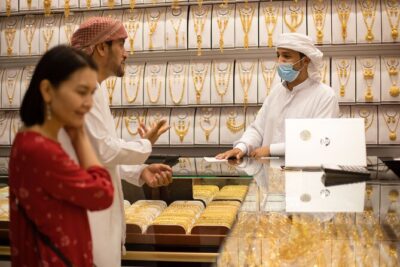
Dubai Aladdin Tour: Souks, Creek, Old Dubai and Tastings
Read our review →
Dubai Evening Heritage Safari by Vintage G Class Al Marmoom Oasis
Read our review →
Abu Dhabi City Tour, Grand Mosque, Emirates Palace & The Louvre
Read our review →
Dubai Camel Desert Safari, Traditional Meal & Heritage Activities
Read our review →
Heritage Safari in Vintage Land Rover with Dinner
Read our review →
Old Dubai tour: Local Market, Tasting, Dubai creek with Abra ride
Read our review →Browse the lists this tour appears in