
Reviewed · MUSEUM & CULTURE TOURS
Old Dubai Historic Guided Tour: Creek, Street Food & Souks
Old Dubai makes more sense when you move at street level. This tour takes you from a traditional Emirati house and quiet Al Fahidi lanes to the Spice and Gold Souks, with Arabic coffee, dates, samosas, and an abra ride along the way. I like the way the route connects everyday food with Dubai’s past, rather than treating old Dubai as a quick photo stop.
I also like the human touch. Guides such as Ahmed Hussein, Nasser, Khan, and Ibrahim have been praised for clear storytelling, humor, and help with bargaining. At $10 per person, the mix of snacks, heritage entry, guided walks, and boat transport is unusually strong value. The main drawback is the walking: uneven lanes, heat, and crowded market paths make this a poor fit for wheelchair users, people with mobility limits, or children under two.
In This Review
- Key points to know
- Why old Dubai belongs on your itinerary
- Starting with coffee at Al Khayma Heritage Restaurant
- Al Seef and the changing face of Dubai
- Al Fahidi’s lanes and the old creekside story
- Street food: karak, samosas, and small tastes
- Crossing Dubai Creek by traditional abra
- The Spice Souk’s colors and sales pitch
- The Gold Souk and the tour’s final stop
- The guides make the difference
- Is $10 good value for Dubai?
- Who should book this tour?
- FAQ
- How long does the Old Dubai Historic Guided Tour last?
- Where does the tour meet?
- Is hotel pickup available?
- What food and drinks are included?
- Is the abra ride included?
- What languages are available?
- Is the tour suitable for wheelchair users or infants?
- Should you book it?
Key points to know
- A traditional house starts the story: Sip Arabic coffee, eat dates, and see photographs explaining the UAE’s past.
- The food is part of the tour: Expect karak tea and samosas, with some departures also including luqaimat, extra coffee, or camel-milk chai.
- The abra ride is short but worthwhile: You cross Dubai Creek among trading boats and skyline views.
- Al Fahidi and Al Seef show two eras: Traditional wind-tower buildings sit close to restored waterfront streets and modern Dubai.
- The tour finishes in the markets: You visit the Spice Souk and Gold Souk, with time to browse and bargain.
- It is easy to fit into a Dubai stay: The tour lasts about 3 to 4 hours, and central hotel pickup may be available.
Why old Dubai belongs on your itinerary
Dubai is often sold through towers, malls, and polished new districts. Those places have their appeal, but they do not explain how the city grew from a creekside trading settlement into a global business center.
This walking tour gives you that missing piece. You see older buildings, hear about local customs, cross the creek in a small wooden abra, and watch trade continue in the souks. I find the contrast more useful than a quick museum visit because the past is tied to places still used today.
The tour earns a 4.9 rating from 156 reviews, and the most consistent praise goes to the guides. That matters here. Old Dubai is easy to wander through, but without context, the lanes can blur into one another. A good guide points out what you are seeing and explains why it matters.
The guide language options are English, German, Spanish, Italian, and French. Ibrahim has been singled out for excellent Spanish, while Maaz was praised for speaking clearly and slowly to a mixed-language group. If your language matters, check the departure details before booking rather than assuming every guide speaks every listed language.
More museum & culture tours in Dubai:
- Dubai: Museum of the Future Admission Ticket
★ 4.3 · 21,464 reviews - From Dubai: Abu Dhabi Grand Mosque & Louvre Museum Full-Day
★ 4.8 · 6,227 reviews - Dubai Aladdin Tour: Souks, Creek, Old Dubai and Tastings
★ 5.0 · 3,755 reviews
Starting with coffee at Al Khayma Heritage Restaurant
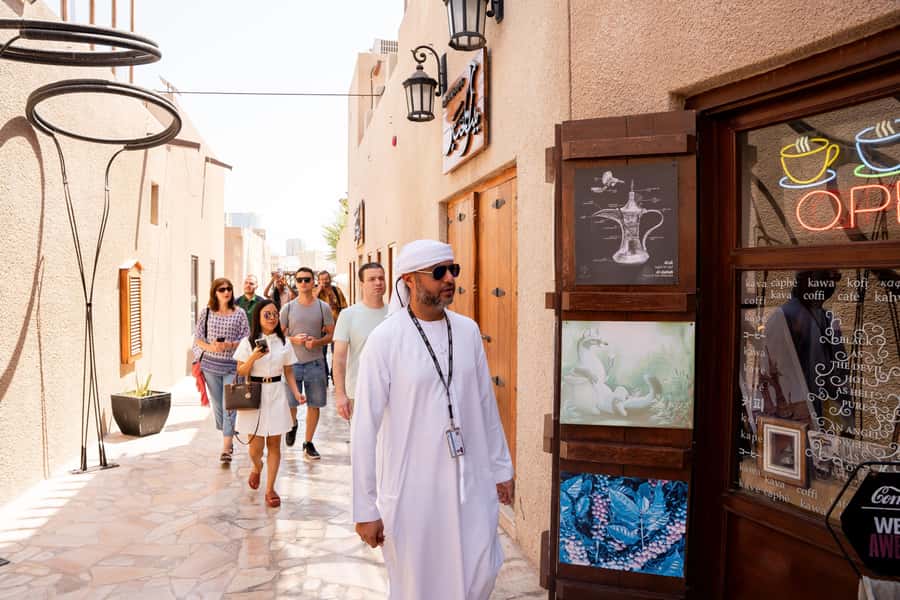
The meeting point is Al Khayma Heritage Restaurant, near Sharaf DG Metro Station. Depending on the option you choose, hotel pickup and drop-off from central Dubai hotels may also be available.
The opening stop takes place inside a traditional Emirati heritage house. You sit down with Arabic coffee and dates, then look at photographs that tell the story of the UAE before the skyscrapers. This is a smart beginning because it gives you a basic frame for the rest of the walk.
Arabic coffee is usually served in small portions, often with dates to balance its strong flavor. You may also sample more than one type of coffee during the experience. The food is not a full meal, so eat something before arriving if you need lunch, but the snacks add up over several stops.
The house itself is useful for showing how a traditional home was arranged. You get a look at domestic life and local customs, not just a collection of old objects behind glass. The guide can also answer questions, and that back-and-forth is where the visit gains value.
If you choose the 5:00 PM evening departure, the Coffee Museum cannot be visited. That limitation does not remove the coffee tasting or heritage house visit, but it is worth knowing if the museum is important to you.
Al Seef and the changing face of Dubai
From the heritage house, the group walks through Al Seef for about 30 minutes. This waterfront district is designed to recall older Dubai, with traditional-looking buildings, narrow passages, shops, and views toward the creek.
I appreciate Al Seef most as a transition point. It is not the same as an untouched old neighborhood, and you should not expect it to be. Instead, it places older architectural ideas beside a polished modern setting, helping you see how Dubai presents its past today.
The route includes a photo stop at Al Seef Mosque. Your guide can explain details about the area while you take pictures, but this is a short walking stop rather than a long religious-site visit. Dress comfortably and respectfully, as you would anywhere around a mosque.
The waterfront can be hot, especially during the day. Sunglasses, a sun hat, water, and light, comfortable clothing are sensible. Comfortable shoes matter more than stylish ones, since the tour keeps moving through lanes and market areas.
Al Fahidi’s lanes and the old creekside story
The walk continues into the Al Fahidi district, one of the most useful parts of the tour. Here, traditional buildings sit close to newer structures, making Dubai’s rapid growth visible in a few minutes of walking.
The route includes a short stop near Al Fahidi Fort for photos, sightseeing, and explanation. The fort stop lasts about 15 minutes, so think of it as a quick orientation point rather than a long museum visit.
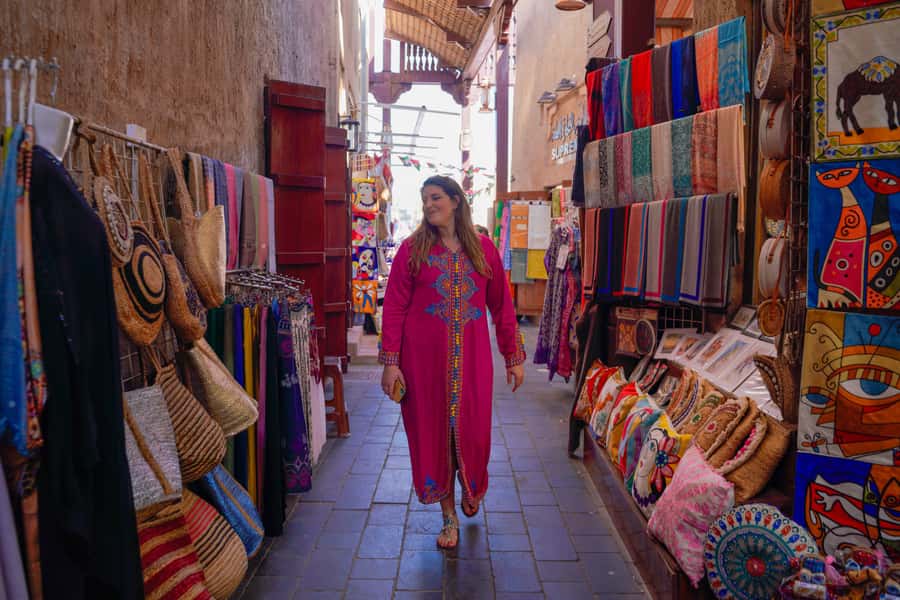
You then pass through Bur Dubai Souk Market. The guide helps you read the surroundings, points out details you might miss, and explains how the creek supported trade and settlement. The market is also a good place to notice the difference between shopping for local goods and shopping in Dubai’s large modern malls.
The walking is described as easy, but that does not mean effortless for everyone. You will be on your feet for several hours, with brief breaks rather than a long seated pause. People with mobility impairments and wheelchair users should choose another way to explore this area, and baby strollers and large bags are not allowed on the tour.
A few more Dubai trips to weigh up
- Dubai: Old Town, Creek, Museums, Souks, & Street Food Tour
★ 4.8 · 10,816 reviews - Dubai: Old Town, Souks, Street Food, Guided Tour & Abra Ride
★ 4.9 · 7,170 reviews - Dubai: Old Town, Souks, Street Food, Guided Tour & Abra Ride
★ 5.0 · 1,664 reviews - Dubai: Old Town, Street Food, Creek, Souks, & Emirati House
★ 4.9 · 1,496 reviews
Street food: karak, samosas, and small tastes
Food is one of the tour’s best features because it gives you a simple way into local daily life. Along the route, you taste karak tea and samosas. Some accounts of the experience also include dates, luqaimat, Arabic tea, two varieties of coffee, and chai made with camel’s milk.
Karak tea is a sweet, spiced milk tea with a strong connection to everyday tea culture in the Gulf. Samosas provide a savory contrast, while dates and luqaimat add sweetness. These are small tastings, not a formal meal, but they make the walk feel less like a lecture.
I like this part because the guide can explain what you are eating as you go. The food creates natural pauses, and you can ask questions without interrupting a long museum talk. If you have food allergies or dietary restrictions, ask before booking or at the start, since the supplied details do not specify substitutions.
The snacks also strengthen the value of the $10 price. A low-cost walking tour can sometimes mean only a guide and a meeting point. Here, the price includes several tastings, coffee, dates, water, heritage access, and the abra ride.
Crossing Dubai Creek by traditional abra
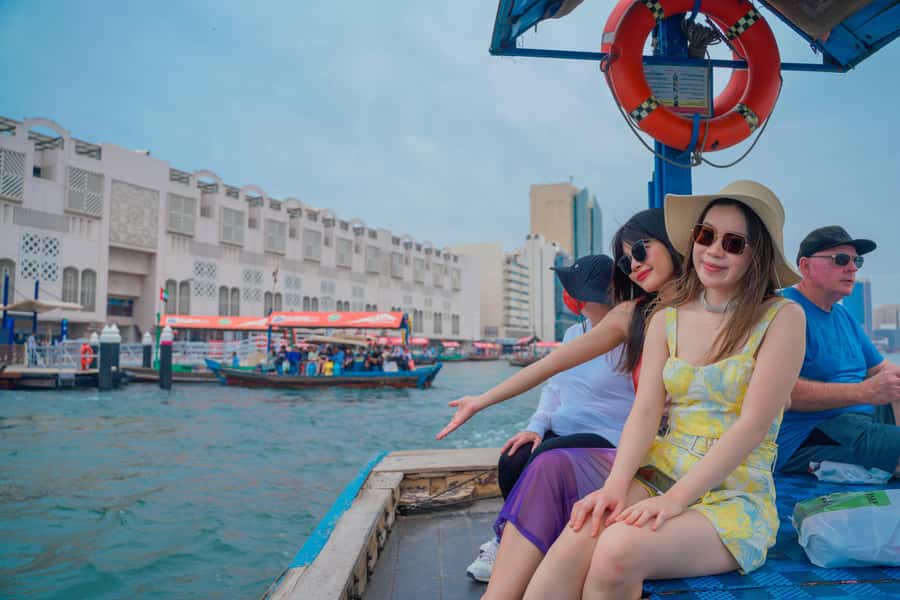
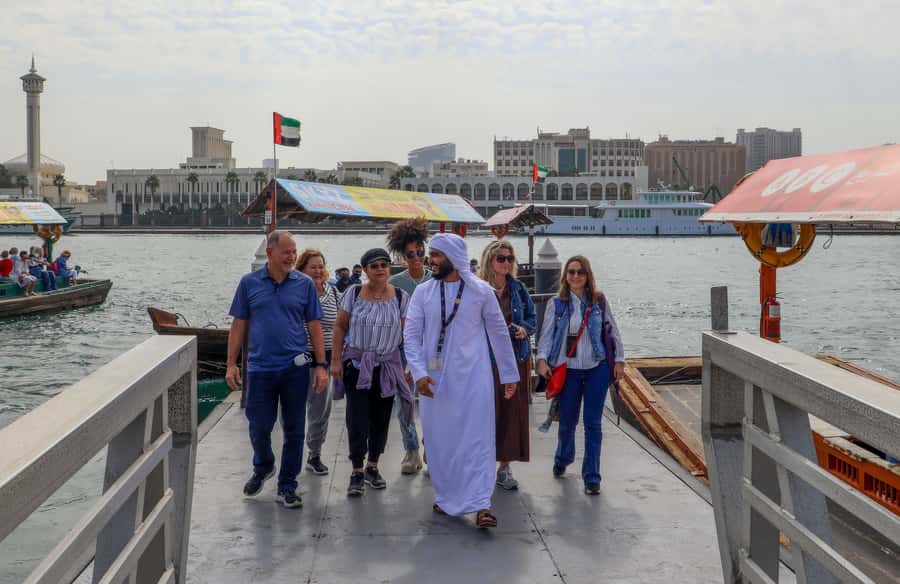
At Bur Dubai Abra Dock, you pause for photos and free time before boarding a traditional abra. The boat ride lasts about 15 minutes and takes you along or across Dubai Creek toward Deira.
This is not a long cruise, and you should not book it expecting a full sightseeing boat trip. Its appeal is the setting. You are close to the water, moving among larger trading ships, with the Dubai skyline behind the older creekside districts.
The abra is also practical. For generations, small boats have been part of daily movement across the creek. Riding one gives you a direct sense of how water still links Bur Dubai and Deira, rather than simply looking at the creek from a promenade.
Keep your camera ready, but do not let the short crossing make you rush. The contrast between working boats, old market areas, and tall buildings is one of the clearest images on the tour. The boat is included, so you do not need to budget separately for this part.
The Spice Souk’s colors and sales pitch
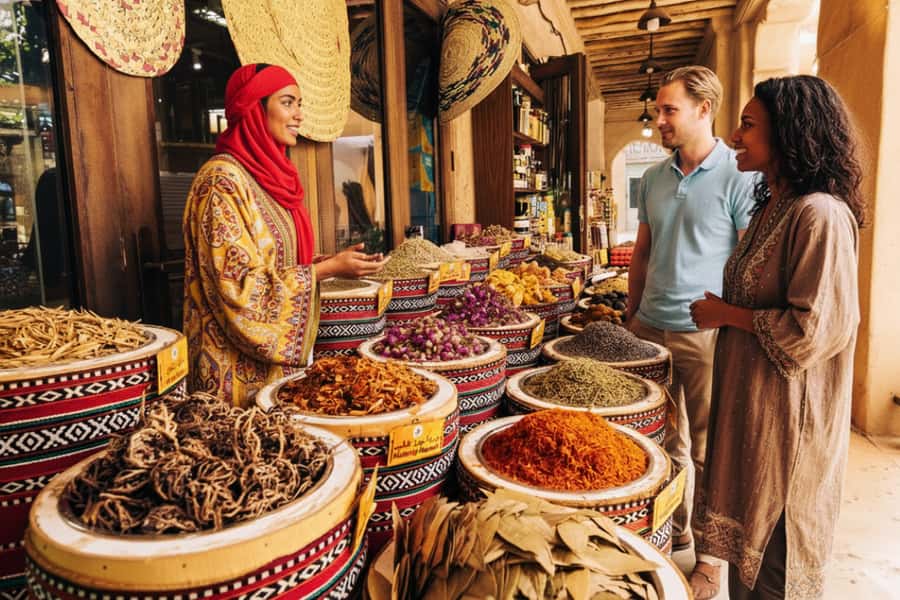
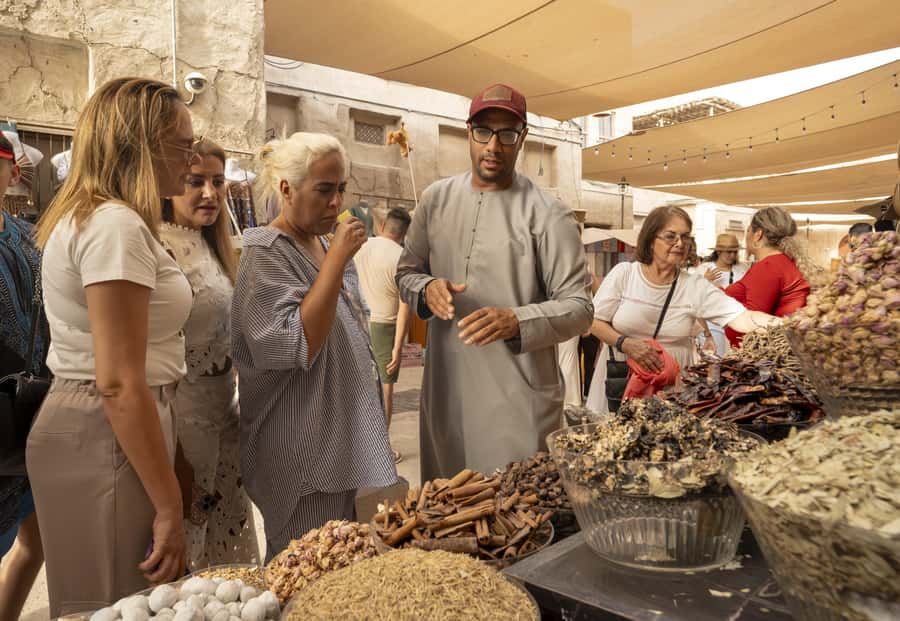
After reaching the Deira side, the route heads to the Spice Souk for around 30 minutes. You will see sacks, jars, and displays of spices and dried ingredients, with sellers inviting you to look more closely.
The souk can be enjoyable even if you buy nothing. Smell the spices, compare the displays, and listen to the guide explain what is commonly used in regional cooking. The market is an active commercial place, not a silent exhibit, so expect sales pitches and friendly attempts to draw you into shops.
This is where a guide can save you time and uncertainty. You can ask about prices, quality, and how to bargain without feeling that you must accept the first offer. The guide may also help you negotiate, though you should still decide what you actually want and what price feels fair.
Bring a small amount of spending money only if you plan to shop. Large bags and luggage are not allowed, and the tour is easier when your hands are free. The itinerary gives you about 30 minutes here, enough for a look and a purchase, but not enough for an unhurried market expedition.
The Gold Souk and the tour’s final stop
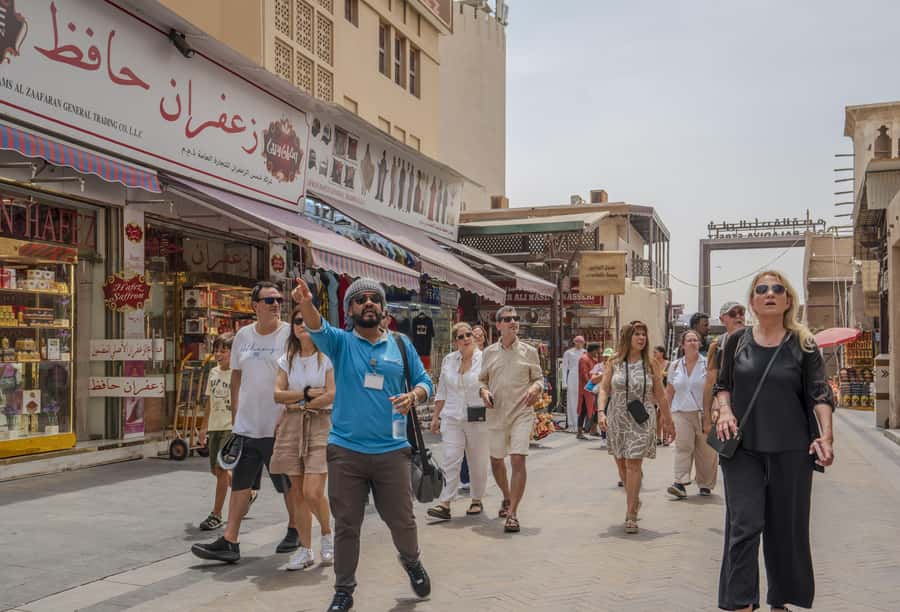
The final major stop is the Gold Souk, also for about 30 minutes. Window displays here are filled with gold jewelry and precious stones, creating a sharp change from the earthy smells of the Spice Souk.
You do not need to buy jewelry to enjoy the stop. The point is to see the scale and style of the market, learn how bargaining works, and notice how trade remains central to this part of Dubai.
If you are shopping, set your budget before you enter. Compare pieces at more than one shop, ask about weight and workmanship, and do not feel pressured to purchase. A guide can offer practical advice, but the final decision is yours.
The tour ends in the Gold Souk area, and one account of the route notes that the group made its own way back to Al Khayma Heritage Restaurant by abra. Confirm the exact end point and return arrangements for your selected departure, especially if you have an onward reservation.
The guides make the difference
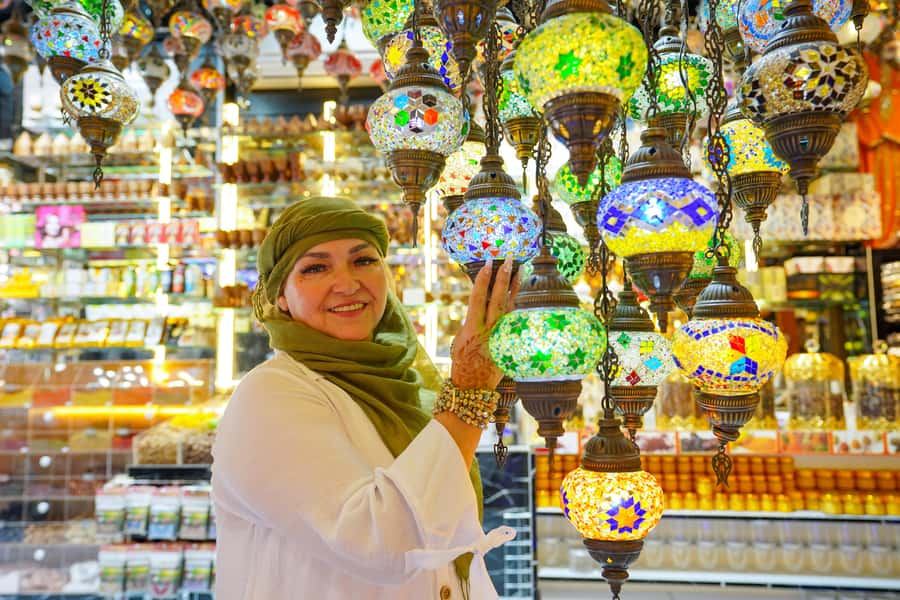
The route is good, but the guide determines how much you take away from it. The strongest guide names attached to this experience include Ahmed Hussein, Nasser, Khan, Ibrahim, Hossam, Maaz, Dago, Mustafa, Fesal, and Iqbal.
Ahmed Hussein is praised for checking on everyone, explaining clearly, and adding depth without making the talk dull. Nasser is described as cheerful and helpful, with a good sense of humor. Khan has been noted for clear explanations about Dubai’s geography, culture, and development.
Ibrahim is a strong choice for Spanish speakers. Hossam has been praised for making the experience fun and welcoming, while Maaz’s careful delivery suits a group made up of people from different countries.
Guide assignments can change, so you cannot necessarily request a particular person. Still, the repeated focus on clear explanations, warmth, humor, and personal attention is encouraging. Ask questions as you walk. This tour gives you more when you treat it as a conversation rather than simply following from stop to stop.
Is $10 good value for Dubai?
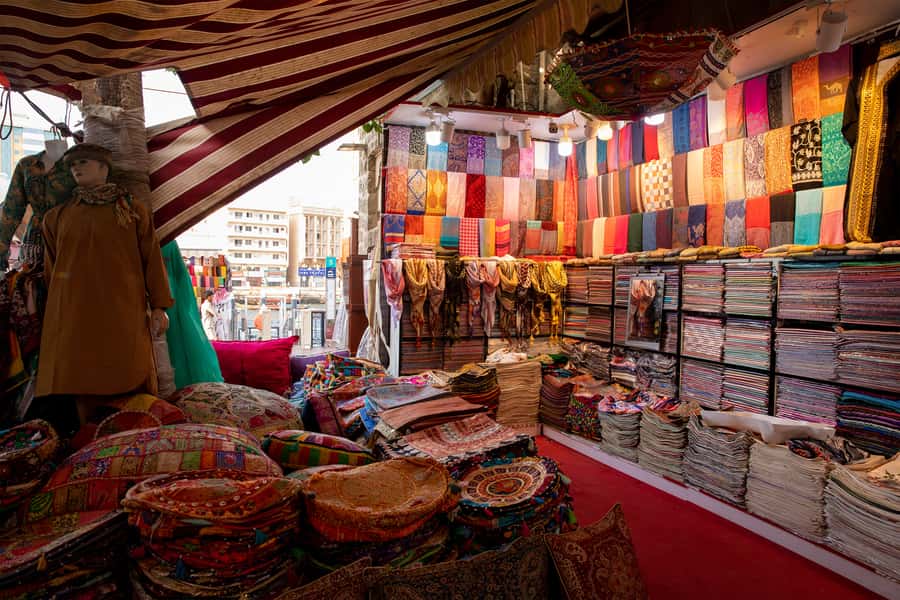
At $10 per person, this is excellent value if you want a short introduction to old Dubai. You receive a live guide, entry to heritage sites and museums, the Emirati heritage house, Arabic tea or coffee, dates, street food, bottled water, the abra ride, and visits to both major souks.
The price does not buy a private experience or a long stop at every site. Several points last only 15 minutes, and the souks are partly guided browsing rather than dedicated shopping time. You also need to cover any purchases yourself, and the snacks should not be treated as a full meal.
Still, the combination is hard to fault for the cost. You get transport on the creek, food tastings, local background, and a route that would be less meaningful without a guide. For a first day in Dubai, or a stopover with only half a day available, the tour uses your time well.
Free cancellation up to 24 hours before the tour and a reserve-now, pay-later option add useful flexibility. Check the available starting times, since the full experience lasts around 3 to 4 hours.
Who should book this tour?
I would recommend it to first-time visitors who want Dubai beyond its modern center. It also suits repeat visitors who have seen the towers and malls but never made time for the creek, souks, and heritage areas. The easy pace, short food stops, and friendly explanations work well for couples, families with older children, and small groups of friends.
It is especially useful if you want cultural background without committing to a full-day excursion. The tour gives you enough context to continue exploring on your own afterward.
I would not choose it for anyone who dislikes walking, market sellers, heat, or short group stops. It is not suitable for children under two, wheelchair users, or people with mobility impairments. Baby strollers and large bags are not allowed, so pack light.
FAQ
How long does the Old Dubai Historic Guided Tour last?
The tour lasts approximately 3 to 4 hours. Starting times vary, so check availability for the date and option you select.
Where does the tour meet?
The meeting point is Al Khayma Heritage Restaurant. Sharaf DG Metro Station is the nearest metro station.
Is hotel pickup available?
Hotel pickup and drop-off may be available as an optional service from central hotels in Dubai. Check the selected booking option for details.
What food and drinks are included?
The experience includes Arabic tea or coffee, dates, karak tea, and samosas. Food tastings may also include items such as luqaimat, extra Arabic coffee, or camel-milk chai.
Is the abra ride included?
Yes. A traditional abra boat ride along Dubai Creek is included in the tour price.
What languages are available?
Live guides may be available in English, German, Spanish, Italian, and French. Confirm the language when choosing your departure.
Is the tour suitable for wheelchair users or infants?
No. The tour is not suitable for wheelchair users, people with mobility impairments, or children under two. Baby strollers are also not allowed.
Should you book it?
Book this tour if you want a low-cost, well-paced introduction to Dubai’s older districts, with food and a boat ride built in. The best reasons are the heritage house, the contrast between Al Fahidi and Al Seef, and the chance to see the creek and souks with someone who can explain what you are seeing.
Skip it if you want a private tour, a leisurely shopping session, or a full meal. For most people with comfortable shoes and half a day to spare, though, this is one of the simplest ways to connect Dubai’s present with its creekside past.
More Historical Tours in Dubai
- Dubai Evening Heritage Safari by Vintage G Class Al Marmoom Oasis
★ 5.0 · 1,500 reviews - Dubai Camel Desert Safari, Traditional Meal & Heritage Activities
★ 5.0 · 937 reviews - Dubai: Heritage Safari in Vintage Land Rover with Dinner
★ 4.8 · 861 reviews - Dubai: Historic City Highlights Day Trip
★ 4.4 · 807 reviews
More Food in Dubai
- Old Dubai: Premium Guided Tour with Street Food & Abra Ride
★ 4.9 · 416 reviews - Dubai Top Highlights: Frame Entry, Souks, Abra & Street Food
★ 4.8 · 344 reviews - Dubai: Premium Old Town, Street Food, Souks & Boat Ride Tour
★ 4.9 · 262 reviews - Dubai: City Highlights Tour with Blue Mosque & Street Food
★ 4.6 · 247 reviews
Just added around Dubai
- Premium Desert safari With Dune buggy camel ride BBQ dinner★ 5.0 · 36 reviews
- Night City Tour of Dubai★ 4.5 · 14 reviews
- Dubai Sunrise / Morning private safari tour★ 5.0 · 18 reviews
- Sky Views Dubai with Options★ 4.5 · 17 reviews
- FLYBOARD 30mn session @ POPEYE JETSKI★ 5.0 · 80 reviews
- Full Day Hatta Mountain Tour from Dubai★ 5.0 · 23 reviews
- Explore Old Dubai Al fahidi District Museums Markets Abra★ 5.0 · 15 reviews
- Full Day Tour Exploring Abu Dhabi★ 5.0 · 13 reviews
Museum & Culture Tours, compared.
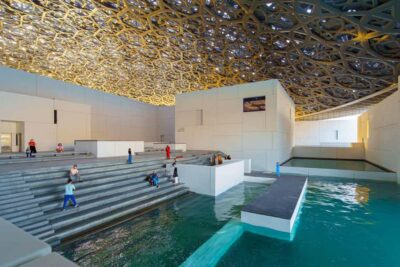
Abu Dhabi Grand Mosque & Louvre Museum Full-Day
Read our review →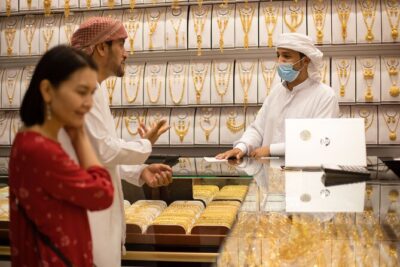
Dubai Aladdin Tour: Souks, Creek, Old Dubai and Tastings
Read our review →
Dubai Evening Heritage Safari by Vintage G Class Al Marmoom Oasis
Read our review →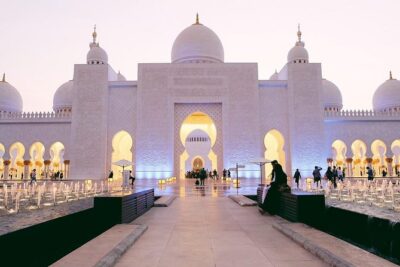
Abu Dhabi City Tour, Grand Mosque, Emirates Palace & The Louvre
Read our review →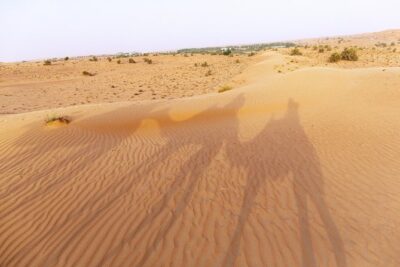
Dubai Camel Desert Safari, Traditional Meal & Heritage Activities
Read our review →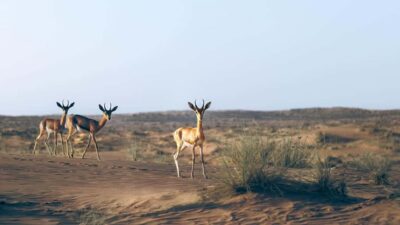
Heritage Safari in Vintage Land Rover with Dinner
Read our review →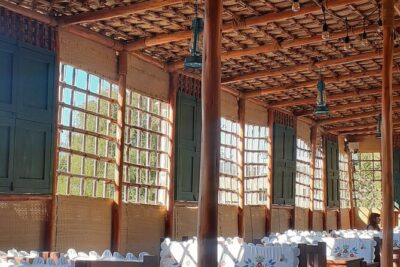
Old Dubai tour: Local Market, Tasting, Dubai creek with Abra ride
Read our review →Browse the lists this tour appears in