
Reviewed · WALKING TOURS
Local Street Food and Guided Walking Tour of Dubai Old Town
Old Dubai reveals itself best on foot, with food in hand and a guide who can explain what you are seeing. This three-hour tour moves from the wind towers of Al Fahidi to the creek, then across to the Spice and Gold Souks, with an abra boat ride and a long list of local tastes along the way.
I like the mix of street food and old neighborhoods, since you are not only looking at Dubai’s past but also eating your way through it. I also like that the tour is private to your group, with a guide such as Mansoor offering practical help on shopping prices and local customs. The main consideration is the price: at $115.83 per person, it offers better value for a small group that will enjoy the food than for someone seeking only a quick historical walk.
In This Review
- Key points at a glance
- Why this tour works for first-time Dubai visitors
- Starting among Al Fahidi’s wind towers
- Al Fahidi Fort and Dubai’s early power
- Temple Lane and the Shiva Temple
- Textile Souk colors and bargaining
- An hour around Al Souk Al Kabir
- Crossing Dubai Creek by abra
- Spices, tea, and shopping in Deira
- The Gold Souk and the final stretch
- The food lineup and what it means for value
- Who will get the most from the three-hour format
- Practical details before you book
- Should you book this Old Dubai food walk?
- FAQ
- How long does the Old Dubai food tour last?
- Where does the tour begin?
- Where does the tour end?
- Is the abra boat ride included?
- What food and drinks are included?
- Is this a private tour?
- Does the tour visit the souks?
- What is the cancellation policy?
Key points at a glance
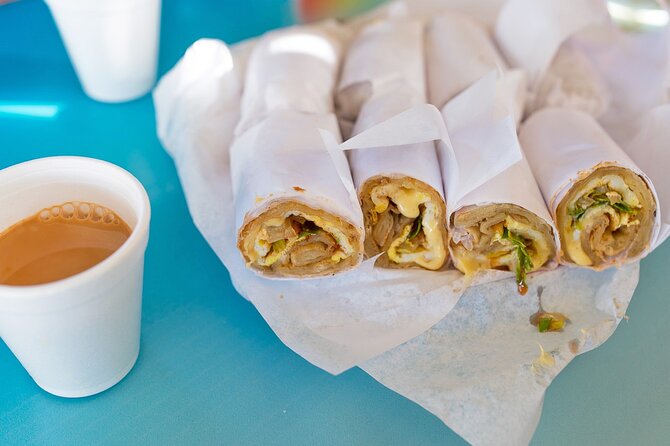
- A full meal in small tastes: Expect shawarma, falafel, hummus, chicken mandi or madhbi, kunafa, luqaimat, tea, dates chocolate, and other drinks.
- Old Dubai on both sides of the creek: The route begins in Bur Dubai and ends near Al Ras Metro Station in Deira.
- An abra crossing is included: This short wooden-boat ride is a simple but memorable way to cross Dubai Creek.
- Private guiding: Only your group takes part, which makes it easier to ask questions or adjust the pace.
- Three hours on foot: Wear comfortable shoes and arrive ready to eat, because the food stops are plentiful.
- Souk shopping needs bargaining: Textile, Spice, and Gold Souk visits include time to browse and advice on what prices may be fair.
Why this tour works for first-time Dubai visitors
Modern Dubai can make the city seem built almost entirely from glass, steel, and shopping malls. This tour gives you a different starting point. It places you in the older quarters, where narrow lanes, shaded courtyards, traditional buildings, and the creek tell the story of Dubai before the skyscrapers.
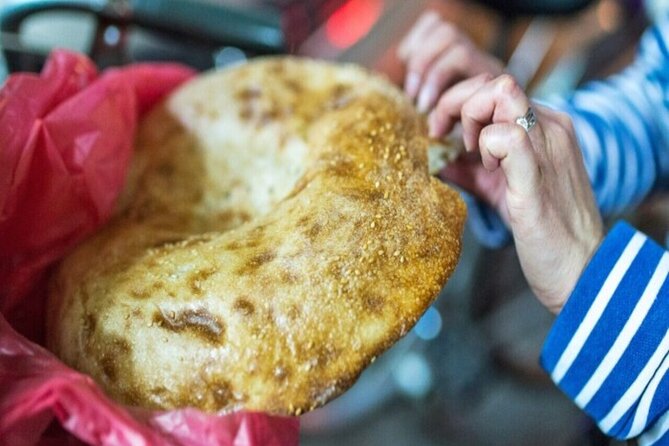
The food gives the walk a practical shape. Instead of stopping only for photographs, you have reasons to pause, taste, compare, and ask questions. Shawarma and falafel are familiar names, but chicken mandi or madhbi, Iranian faluda, Arabic tea, luqaimat, and kunafa give the experience more local range.
The private format is useful here. A public group walk can be fun, but a private tour lets you ask about the Hindu temple, the souks, the food, or your own plans for Dubai without waiting for a large group. The guide can also give shopping advice. Mansoor, one guide associated with this experience, is praised for explaining both the country and the food, communicating clearly, and suggesting what to pay in the markets.
You should still set your expectations correctly. This is a tasting walk, not a restaurant meal with long periods of sitting. You will be walking, crossing the creek, and making several food stops within about three hours.
A few more Dubai trips to weigh up
- Dubai: Old Town, Creek, Museums, Souks, & Street Food Tour
★ 4.8 · 10,816 reviews - Dubai: Old Town, Souks, Street Food, Guided Tour & Abra Ride
★ 4.9 · 7,170 reviews - Dubai: Old Town, Souks, Street Food, Guided Tour & Abra Ride
★ 5.0 · 1,664 reviews
Starting among Al Fahidi’s wind towers
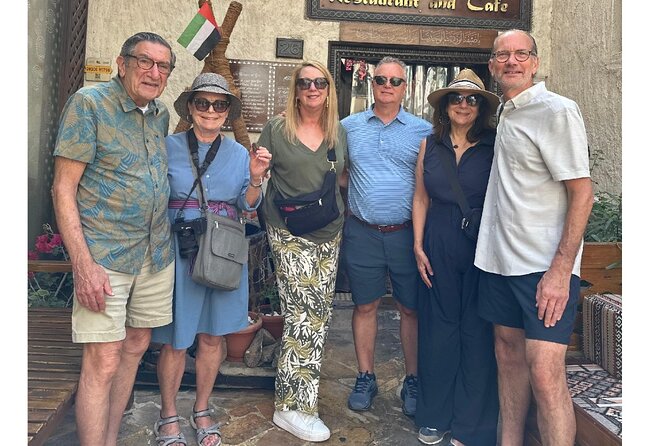
Meet at Arabian Tea House Restaurant and Cafe in Al Fahidi. The setting puts you right at the edge of the Bastakiya area, where the tour begins among buildings made with materials such as stone, gypsum, teak, sandalwood, palm wood, and fronds.
The most striking feature is the barjeel, or traditional wind tower. These structures helped move air through buildings before modern cooling systems. You will see the old neighborhood arranged around alleys, paths, and small public squares rather than broad modern roads.
The scheduled visit here lasts about 20 minutes, so think of it as an introduction rather than a full architectural study. Your guide’s explanation matters because the buildings can look simple at first glance. With context, you begin to notice the way the lanes, courtyards, and towers reflect an earlier way of life that continued into the 1970s.
This is a good place to begin with a light appetite. The day’s food is still ahead, and the first neighborhood walk helps you settle into the pace.
Al Fahidi Fort and Dubai’s early power
The route also brings you to Dubai’s oldest building, dating from the 1780s. Built as a fortress, Al Fahidi Fort once served as a center of political power in the old city.
The fort adds useful context to the more domestic-looking houses around it. Al Fahidi’s wind towers and lanes show daily life, while the fort points to defense and government. Your guide can connect these pieces in a way that makes the neighborhood feel less like a restored district and more like a working center from Dubai’s earlier years.
The exact stop timing is not separately stated, so the fort may be covered as part of the surrounding walk. Keep that in mind if you are hoping for a long museum visit. The strength here is the local explanation and the chance to place Dubai’s modern growth against its older foundations.
Temple Lane and the Shiva Temple
A 10-minute stop at the Dubai Hindu Temple brings another side of Old Dubai into view. The temple serves the large Hindu community in the United Arab Emirates, and its complex in Bur Dubai was first established in 1958. It includes the Shiva Mandir, Krishna Mandir, and a Gurudwara.
This is a valuable pause because Dubai’s older districts are not defined by one tradition. The temple reflects the long-standing presence of South Asian communities in the city and the connections that helped shape its commercial life.
The stop is brief, so you should not expect an extended religious or architectural tour. Treat it as a respectful glimpse into the neighborhood’s religious variety. Temple Lane also helps explain why this part of Dubai feels different from the city’s newer districts.
Same city, a completely different pace:
- Dubai: Burj Khalifa Levels 124 & 125 Entry Ticket + Options
★ 4.3 · 90,891 reviews - Dubai: Desert Safari, Quad Bike, Camel Ride & Al Khayma Camp
★ 4.9 · 68,962 reviews - Dubai: Desert Safari, Quad Bike, Camel Ride and Sandboarding
★ 4.9 · 43,505 reviews - Dubai: Safari, Quad Bike, Camel Ride, and Buffet Dinner
★ 4.9 · 33,424 reviews
Textile Souk colors and bargaining
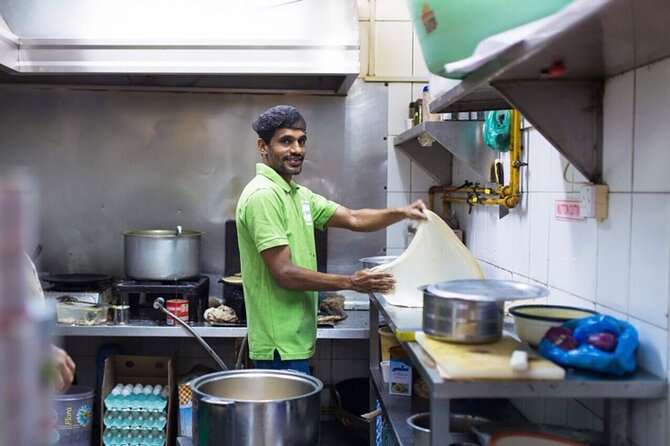
The Textile Souk is scheduled for about 20 minutes. You will find fabrics, shawls, embroidery, and souvenirs in a mix of colors and textures from different places.
This is one of the better stops for a small purchase. A shawl or piece of fabric is easier to carry home than a large souvenir, and the market gives you a chance to practice bargaining. Do not assume the first price is the final one. Your guide can help with the basic rhythm of negotiating and with a sense of what you might reasonably pay.
The Textile Souk is also a visual break from the earth-toned buildings of Al Fahidi. Fabrics add color to the route, but the market remains a place to shop, not a formal museum. If you are not buying, 20 minutes is enough to browse without feeling pressed to spend.
An hour around Al Souk Al Kabir
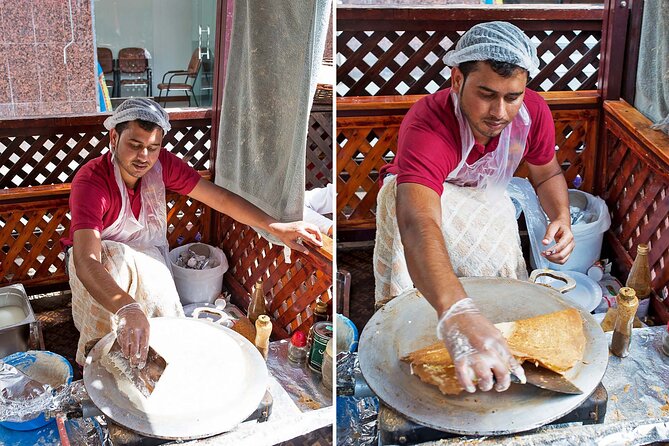
The longest portion of the walk, about one hour, is spent around Al Souq Al Kabeer and the Al Fahidi district. This area includes traditional stone houses, courtyard tea shops, open-air restaurants, art galleries, colorful silks, and embroidered cushions.
This is where the tour’s history and food elements begin to overlap. You can look at old building forms, stop for drinks or tastes, and watch the everyday movement of the district. The courtyard layout encourages a slower pace than the narrow market lanes.
Because an hour is given here, this may be the most flexible part of the tour. You can ask your guide about architecture, local food, or Dubai’s past, and you have time to take photographs. It is also a useful place to manage your appetite. The included tastings are spread through the experience, so you do not need to treat every first bite as a full meal.
The tour includes bottled water, but Dubai’s heat can still make the walk tiring. Drink as you go, and choose clothing and footwear suited to several stops on foot.
Crossing Dubai Creek by abra
At Bur Dubai Abra Station, you board a traditional abra for the crossing to Deira. The ride takes about 10 minutes and is included in the tour.
This is one of the experience’s strongest details because it is transportation and sightseeing at the same time. Dubai Creek separates Bur Dubai and Deira, and the boat gives you a direct view of the water and the older trading districts on either side.
An abra is not a luxury cruise. It is a short, practical crossing on a traditional ferry boat. That is precisely why it fits the tour. You are using an everyday link between the two parts of Old Dubai rather than being driven between attractions.
After crossing the creek, the food list expands with Iranian faluda, a secret refreshing juice, dates chocolate, and other drinks. Since the exact juice is not identified in advance, consider it a small surprise rather than something to plan around.
Spices, tea, and shopping in Deira
The Dubai Spice Souk gets about 20 minutes. The first thing you notice is the aroma, which changes the mood of the walk after the quieter creek crossing. You can learn about different spices, browse local products, and bargain for purchases.
This stop has value even if you do not cook. Spices show how food, trade, and daily life meet in the old markets. Your guide can explain what you are looking at and help prevent you from buying simply because a seller opens with a high price.
The tour description calls this the oldest market in Dubai. As with the other souks, the experience is strongest when you treat it as a working market rather than a staged attraction. You might find spice blends, dried ingredients, and gifts, but the selection and prices can vary from shop to shop.
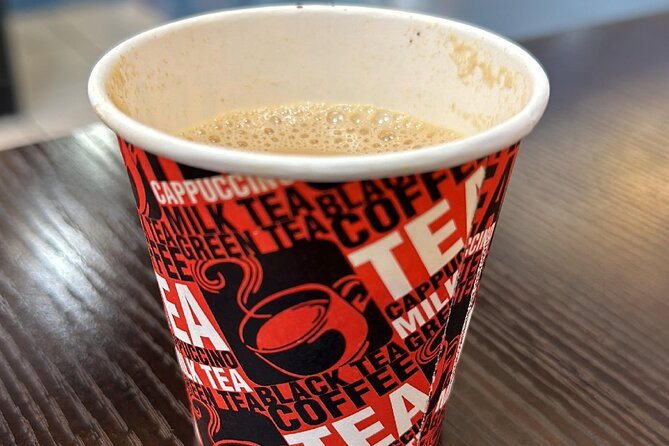
Arabic tea appears among the included drinks. Tea is a useful pause during the walk, giving you a chance to taste something simple while talking with your guide about local eating habits.
The Gold Souk and the final stretch
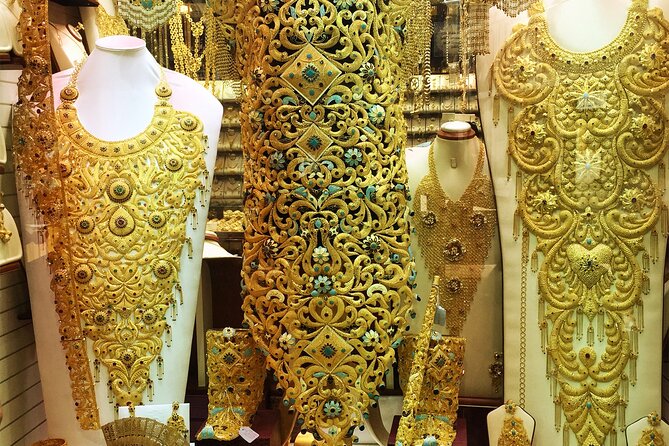
The Gold Souk is the final listed stop, with about 20 minutes to look around. It is one of the world’s largest gold markets, with many jewelry shops and a broad range of pieces.
You do not need to be shopping for jewelry to appreciate the display. The sheer concentration of gold shops makes this a memorable contrast with the fabric and spice markets. If you are considering a purchase, ask questions and compare prices rather than rushing into the first appealing window.
The route ends at Al Ras Metro Station on Baniyas Road in Deira. This is convenient if you want to continue exploring or use public transportation afterward. It also means the tour is not a loop, so plan your day from the Deira side once the walk finishes.
The food lineup and what it means for value
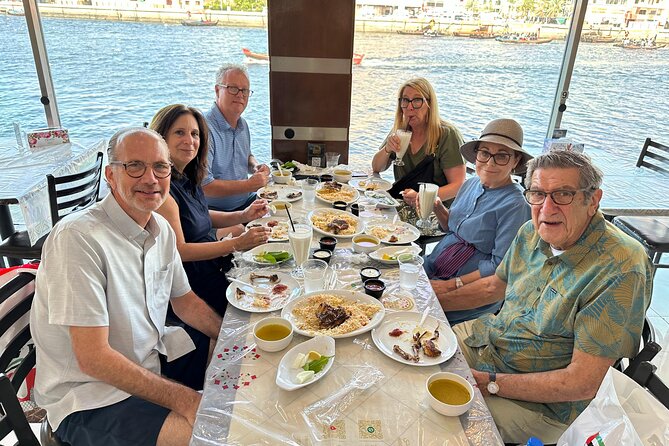
The included tastings are the reason this tour costs more than a basic neighborhood walk. You may try shawarma, falafel, hummus, chicken mandi or madhbi, Arabic tea, luqaimat, kunafa, Iranian faluda, dates chocolate, a special juice, and bottled water.
That is a wide range for three hours. Shawarma and falafel provide familiar street-food anchors, while mandi or madhbi gives you a more substantial rice-and-chicken dish. Hummus adds a classic dip, and luqaimat and kunafa cover the sweet side.
You should arrive hungry. There is enough food that a full breakfast shortly before the meeting point could make the experience less enjoyable. The stops are tastings, but the overall amount can function as a light meal or more, depending on portion sizes.
At $115.83 per person, the value depends heavily on your group size and priorities. For a small private group, the cost buys a licensed guide, transportation across the creek, food and drink tastings, bottled water, and local interpretation across several districts. For a larger group using the group discount, the price may feel more reasonable.
If you mainly want to see the souks and take the abra, you can do those activities more cheaply on your own. You are paying the extra amount for a planned food route, private attention, cultural context, and help with bargaining. That is a fair trade for people who want an easy introduction rather than a day of figuring out the old city alone.
Who will get the most from the three-hour format
I would recommend this tour to first-time visitors who want history and food in one compact outing. It also suits couples, families, and friends who prefer a private guide and want to ask plenty of questions.
Food-focused visitors will get the most from it, especially if they enjoy trying several small portions instead of choosing one restaurant. It is also useful for anyone unsure how to approach the souks. Advice on bargaining can save money and make the shopping experience less awkward.
You should think twice if you dislike walking, have a very limited appetite, or want long, detailed visits inside every landmark. The route covers seven main stops and several tastings in about three hours, so the pace is purposeful.
The tour is described as suitable for most people and is near public transportation. Still, the supplied information does not give a detailed accessibility description, so contact the provider if you need specific arrangements.
Practical details before you book
Your meeting point is Arabian Tea House Restaurant and Cafe in Al Fahidi, opposite the Musalla Post Office on Al Fahidi Street. The end point is Al Ras Metro Station in Deira, so remember that you finish in a different part of Dubai.
Confirmation arrives when you book, and a mobile ticket is available. The experience is private to your group, and group discounts are offered. It is commonly booked about 38 days ahead, so advance planning is sensible if your Dubai dates are fixed.
A licensed professional guide leads the walk. The strongest guide detail available is Mansoor, who is described as clear, friendly, helpful with questions, and useful when deciding what to pay in the markets. Your assigned guide may differ, but the private setup should still give you room to ask for local advice.
Free cancellation is available if you cancel at least 24 hours before the start time. Inside that window, the payment is not refunded and changes are not accepted.
Should you book this Old Dubai food walk?
Book it if you want a well-rounded first look at Old Dubai with plenty to taste and a guide at your side. The abra crossing, Al Fahidi lanes, Hindu temple, Textile Souk, Spice Souk, and Gold Souk create a varied route, while the food keeps the three hours active.
Skip it if you are comfortable arranging your own street food and souk visits, or if $115.83 feels too high for a short walk. For everyone else, particularly a small private group arriving in Dubai for the first time, the mix of local dishes, old neighborhoods, practical shopping advice, and easy transport makes this a useful introduction.
FAQ
How long does the Old Dubai food tour last?
The tour lasts approximately three hours.
Where does the tour begin?
It begins at Arabian Tea House Restaurant and Cafe in Al Fahidi, opposite the Musalla Post Office on Al Fahidi Street in Bur Dubai.
Where does the tour end?
The tour ends at Al Ras Metro Station on Baniyas Road in Deira.
Is the abra boat ride included?
Yes. A traditional abra crossing from Bur Dubai to Deira is included, and the ride takes about 10 minutes.
What food and drinks are included?
Included tastings can include shawarma, kunafa, chicken mandi or madhbi, falafel, hummus, Arabic tea, luqaimat, Iranian faluda, dates chocolate, a special juice, other drinks, and bottled water.
Is this a private tour?
Yes. Only your group participates in the activity.
Does the tour visit the souks?
Yes. The route includes the Textile Souk, Spice Souk, and Gold Souk, with time to browse and bargain.
What is the cancellation policy?
You can receive a full refund by canceling at least 24 hours before the experience starts. Cancellations or changes made less than 24 hours before the start time are not accepted and are not refunded.
More Walking Tours in Dubai
- Middle Eastern Food & Culture Walk in Old Dubai
★ 5.0 · 206 reviews - Historic Old Dubai & Souk Small Group Walking Tour
★ 5.0 · 156 reviews - Dubai Souks, Food & Culture Walking Tour
★ 5.0 · 132 reviews - Private Old Dubai Walking Tour: Forts, Souks, and Boats
★ 5.0 · 116 reviews
Just added around Dubai
- Premium Desert safari With Dune buggy camel ride BBQ dinner★ 5.0 · 36 reviews
- Night City Tour of Dubai★ 4.5 · 14 reviews
- Dubai Sunrise / Morning private safari tour★ 5.0 · 18 reviews
- Sky Views Dubai with Options★ 4.5 · 17 reviews
- FLYBOARD 30mn session @ POPEYE JETSKI★ 5.0 · 80 reviews
- Full Day Hatta Mountain Tour from Dubai★ 5.0 · 23 reviews
- Explore Old Dubai Al fahidi District Museums Markets Abra★ 5.0 · 15 reviews
- Full Day Tour Exploring Abu Dhabi★ 5.0 · 13 reviews
Walking Tours, compared.
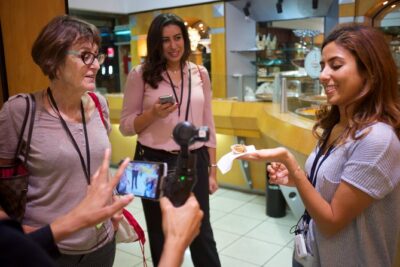
Middle Eastern Food & Culture Walk in Old Dubai
Read our review →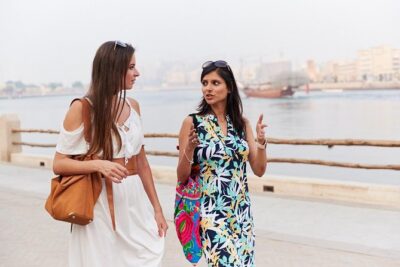
Historic Old Dubai & Souk Small Group Walking Tour
Read our review →
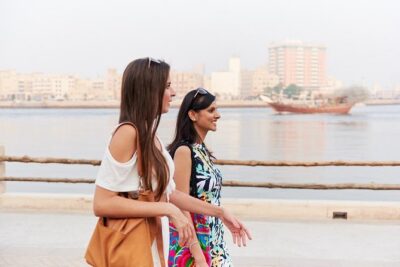
Private Old Dubai Walking Tour: Forts, Souks, and Boats
Read our review →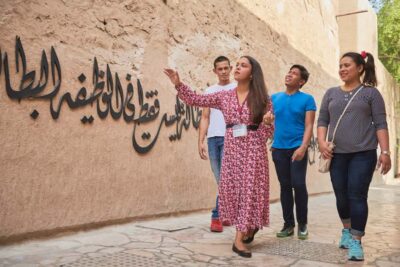
Private Old Town, Heritage & Souks Walking Tour
Read our review →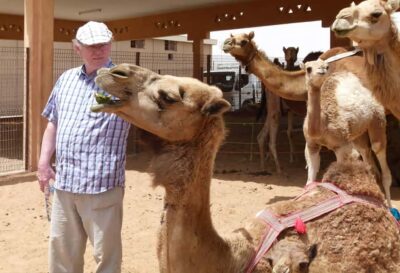
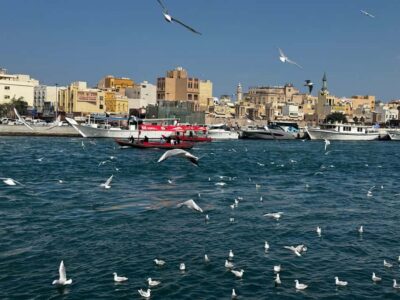
Old Town Walking Tour with Abra Cruise & Street Food
Read our review →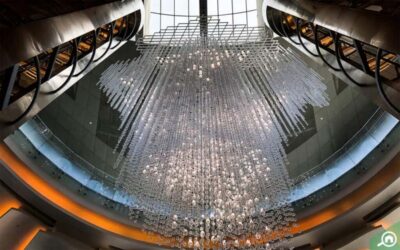
Walking, Architecture and History Tour of Dubai Opera
Read our review →Browse the lists this tour appears in